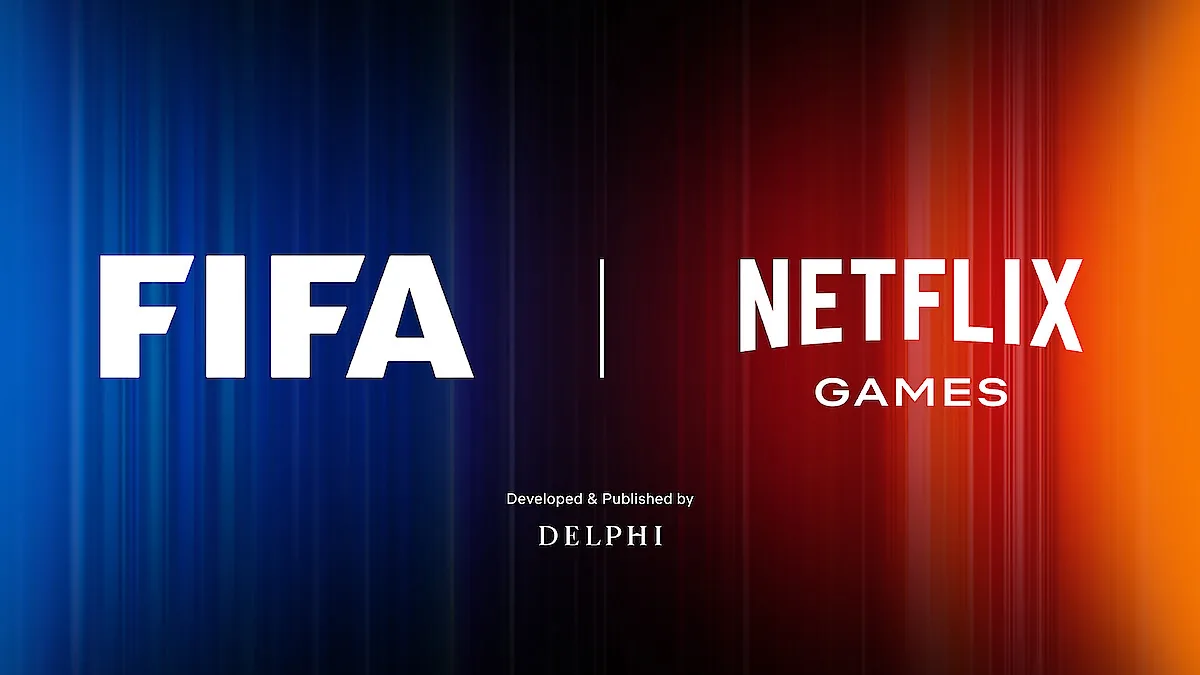
Netflix Enters the Game: The Streaming Giant's FIFA World Cup Play The entertainment landscape is shifting in unexpected ways. Netflix, the streaming service that revolutionized how we consume television and film, is now making a bold move into sports gaming with an upcoming FIFA World Cup video game tied to the 2026 tournament. This strategic pivot represents more than just another mobile game launch—it signals a fundamental reimagining of what streaming platforms can be and how they compete for audience attention in an increasingly fragmented media environment.
The Strategic Play: Why Netflix is Betting on Gaming
Netflix's entry into gaming isn't a sudden impulse—it's a calculated response to evolving market dynamics and changing consumer behaviors. The streaming giant faces challenges that gaming uniquely addresses.
The Engagement Imperative
In the streaming wars, content is no longer enough. Netflix must compete for hours in the day against not just other video platforms, but social media, gaming, and countless other digital experiences. Gaming offers something traditional streaming content cannot: active, extended engagement.
Retention Strategy: Games keep subscribers engaged between content releases
Value Proposition: Gaming adds perceived value to subscriptions without licensing costs
Data Goldmine: Gameplay provides rich behavioral data about user preferences
Competitive Differentiation: Gaming separates Netflix from pure video competitors
The FIFA World Cup game represents a particularly savvy choice for this strategy. Soccer is the world's most popular sport, and the World Cup is one of the few remaining truly global cultural moments. By tying a game to the 2026 tournament—which will be hosted across North America and feature an expanded 48-team format—Netflix positions itself at the center of a massive worldwide conversation.
Learning from Past Attempts
Netflix launched its gaming initiative in 2021, and the journey has been instructive. Early titles included mobile games based on popular Netflix properties, but adoption remained modest. The FIFA World Cup game represents an evolution in approach:
Event-Driven Appeal: Tied to a specific, time-sensitive cultural moment
Broader Audience: Soccer transcends typical Netflix viewer demographics
Competitive Framework: Sports games naturally encourage repeated play
Social Connection: Potential for multiplayer and community features
This pivot from IP-based casual games to event-driven sports gaming suggests Netflix is learning what works in the mobile gaming space. The company is moving beyond the assumption that its entertainment properties alone can drive gaming engagement.
How It Works: The Netflix Gaming Experience
Netflix's gaming platform operates differently from traditional gaming ecosystems, with both advantages and limitations that shape the player experience.
The Access Model
Netflix games are included with standard subscriptions at no additional cost—a significant departure from traditional gaming business models:
No Ads or In-App Purchases: Games are entirely ad-free with no microtransactions
Subscription Bundling: Gaming value adds to existing Netflix membership
Mobile-First Design: Games are designed primarily for smartphones and tablets
Separate Downloads: Games install from app stores but require Netflix login
This model eliminates many friction points in mobile gaming. Players don't face paywalls, energy systems, or intrusive advertising—common frustrations in free-to-play mobile titles. For the FIFA World Cup game, this means players can access all content without grinding or paying extra, focusing purely on gameplay and competition.
Technical Infrastructure
Netflix's gaming platform leverages the company's existing technical strengths while adapting to gaming-specific requirements:
Cloud Integration: Save states and progress sync across devices
Profile System: Games tie to individual Netflix profiles for personalization
Discovery Mechanism: Games appear in Netflix interface alongside content
Quality Standards: Titles must meet Netflix's performance and polish requirements
For a FIFA World Cup game, these technical foundations enable features like tournament progression tracking, achievement systems, and potentially real-time multiplayer competition. The infrastructure supports both casual play and more dedicated engagement during the actual tournament period.
What This Means for Gaming Platforms
Netflix's gaming ambitions extend beyond simply offering another mobile game—they represent a potential disruption to established gaming platform dynamics and business models.
Challenging Platform Economics
The traditional mobile gaming ecosystem relies heavily on monetization strategies that Netflix explicitly rejects:
Subscription Alternative: Demonstrates viability of gaming funded by recurring revenue
Premium Experience: Sets expectations for ad-free, purchase-free gaming
Developer Relationships: Creates new funding model for game studios
Quality Over Monetization: Shifts focus from revenue-per-user to engagement
If Netflix's model proves successful with high-profile titles like the FIFA World Cup game, it could pressure other platforms to reconsider their approaches. Apple Arcade has already demonstrated subscription gaming can work, but Netflix brings massive scale and mainstream appeal that could accelerate this shift away from free-to-play monetization tactics.
The Streaming Platform Evolution
Netflix's gaming push may signal a broader evolution in how we think about streaming platforms:
Beyond Passive Consumption: Platforms becoming interactive entertainment hubs
Competitive Pressure: Other streamers may follow with gaming initiatives
Cross-Media Integration: Blurring lines between watching, playing, and engaging
Audience Expansion: Gaming attracting demographics that don't watch streaming content
The implications extend beyond Netflix. If streaming platforms become significant gaming distributors, they could challenge traditional gaming platforms like consoles, PC storefronts, and even established mobile platforms. The FIFA World Cup game serves as a test case for whether Netflix can leverage its massive subscriber base to compete in gaming distribution.
The FIFA Factor: Why This Game Matters
The choice to build around the FIFA World Cup isn't arbitrary—it represents Netflix's most ambitious gaming bet yet, with unique opportunities and challenges.
Timing and Cultural Relevance
The 2026 FIFA World Cup offers a rare convergence of factors that make it ideal for a gaming launch:
Global Phenomenon: Billions of viewers across every continent and demographic
Extended Timeline: Expanded tournament format creates longer engagement window
North American Focus: Tournament in US, Canada, and Mexico targets key Netflix markets
Cultural Moment: Opportunity to be part of a shared global experience
This timing allows Netflix to position gaming not as a separate offering but as part of how audiences engage with major cultural events. Players might watch matches on traditional or streaming television, then continue their World Cup experience through the game, creating a complementary entertainment ecosystem.
Competitive Landscape
Netflix enters a sports gaming space dominated by established franchises but facing their own challenges:
EA Sports Transition: EA's shift from FIFA to EA Sports FC creates opportunity
Mobile Gaming Gap: Premium mobile soccer experiences remain underdeveloped
Licensing Advantage: Direct FIFA partnership could provide unique content
Accessibility Positioning: Free-to-subscribers model removes price barrier
The ending of EA's long-running FIFA partnership and the subsequent rebranding to EA Sports FC has created uncertainty in the soccer gaming market. Netflix's timing capitalizes on this transition, potentially offering an alternative vision for FIFA-branded gaming that emphasizes accessibility and the joy of play over competitive monetization.
Challenges and Opportunities Ahead
While Netflix's FIFA World Cup game represents significant potential, the path forward involves navigating substantial challenges that could determine the success or failure of Netflix's broader gaming ambitions.
The Awareness Problem
Netflix's biggest gaming challenge isn't quality or business model—it's simply that most subscribers don't know Netflix offers games:
Discovery Issues: Games buried in Netflix interface or requiring separate downloads
Mental Model Shift: Users think of Netflix as video streaming, not gaming
Marketing Imperative: Need to educate subscribers about gaming offerings
Platform Perception: Overcoming impression that Netflix games are low-quality additions
The FIFA World Cup game could solve this awareness problem through sheer cultural relevance. If Netflix promotes the game as part of its World Cup coverage strategy, tying it to the tournament's massive marketing machine, it could finally break through and reach mainstream Netflix subscribers who have never tried the platform's games.
The Content Creation Opportunity
Netflix's unique position enables content strategies unavailable to traditional game publishers:
Documentary Integration: Behind-the-scenes World Cup content complementing gameplay
Live Event Coverage: Potential streaming of actual tournament matches
Player Stories: Narrative content featuring teams and athletes from the game
Cross-Platform Engagement: Seamless connection between watching and playing
This convergence of gaming and video content represents Netflix's most powerful competitive advantage. Traditional game publishers can't offer integrated video experiences, while traditional streamers lack gaming platforms. Netflix can uniquely create an ecosystem where watching and playing feed into each other, building deeper engagement with the World Cup as an event.
Conclusion
Netflix's FIFA World Cup video game represents more than just another title in the company's growing gaming library—it's a statement of intent about the future of streaming platforms and how we'll engage with entertainment in the years ahead.
The streaming wars have taught us that content alone isn't enough to retain subscribers in an increasingly competitive market. Netflix is betting that gaming, particularly when tied to major cultural events like the World Cup, can provide the sticky, recurring engagement that keeps subscribers active between their favorite shows and movies.
Success would validate a new model for gaming distribution and monetization while demonstrating that streaming platforms can evolve beyond passive video consumption. Failure might suggest that gaming and streaming remain fundamentally separate experiences best kept on dedicated platforms. Either way, the FIFA World Cup game serves as a crucial experiment whose results will shape how entertainment platforms approach interactive content.
As the 2026 World Cup approaches, millions of soccer fans worldwide will tune in to watch the tournament. Netflix is betting that many of them will also want to play—and that when they do, they'll remember that their streaming subscription isn't just for watching anymore.
Are you excited about Netflix's FIFA World Cup game? Do you think streaming platforms should expand into gaming, or should these remain separate experiences? Share your thoughts about the future of entertainment platforms in the comments below!